


Imagine stepping off a ship onto Antarctica, one of the coldest and most remote places on the planet. In the distance, you see huge glaciers. Nearby, there’s nothing but snow and ice—and a few penguins.
It might seem like you’re in the only place left on Earth that hasn’t been altered by humans. But look down. You’re standing in your own footprint.
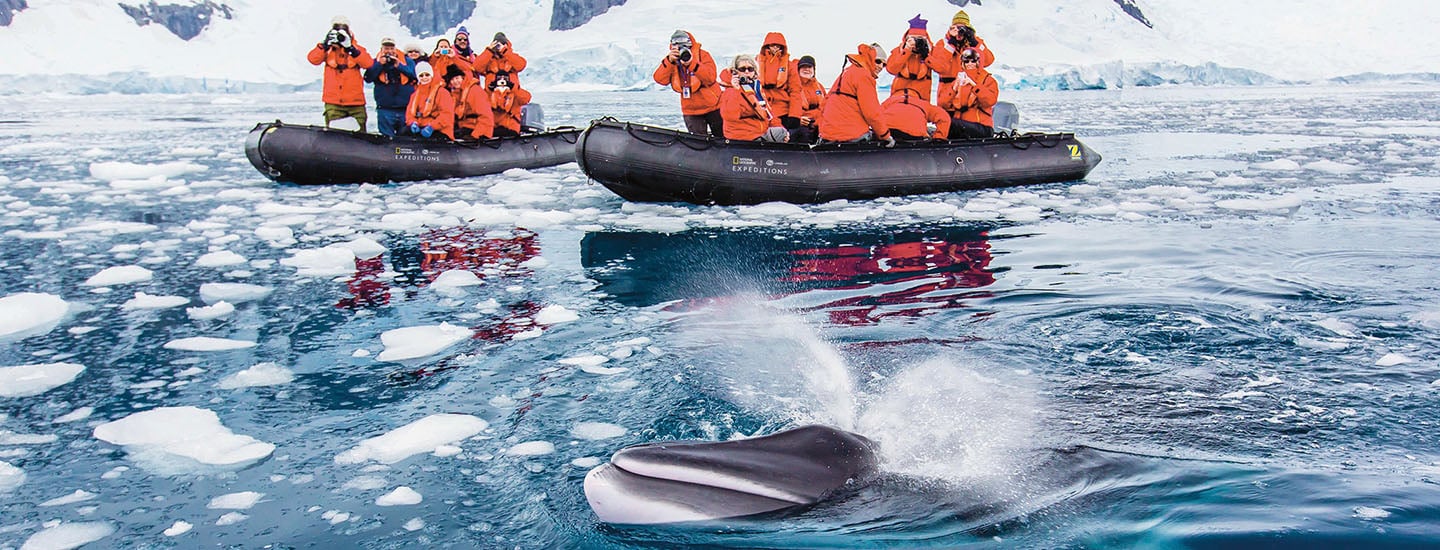
Footprints like those are becoming harder to ignore. For many decades, it was rare for people other than scientists to visit Antarctica. But today, more and more tourists are making the trip, drawn by the southernmost continent’s stunning landscapes. Scientists warn that as the number of visitors grows, so could the mark they leave behind.
Imagine stepping off a ship onto Antarctica. It is one of the coldest and most remote places on the planet. In the distance, you see huge glaciers. Nearby, there is nothing but snow, ice, and a few penguins.
It might seem like you’re in the only place left on Earth that has not been altered by humans. But look down. You’re standing in your own footprint.
Footprints like those are becoming harder to ignore. For many decades, it was rare for people other than scientists to visit Antarctica. But today, more and more tourists are making the trip. They are drawn by the southernmost continent’s stunning landscapes. Scientists warn that as the number of visitors grows, so could the mark they leave behind.